
BACK PAIN
Real People. Real Results…
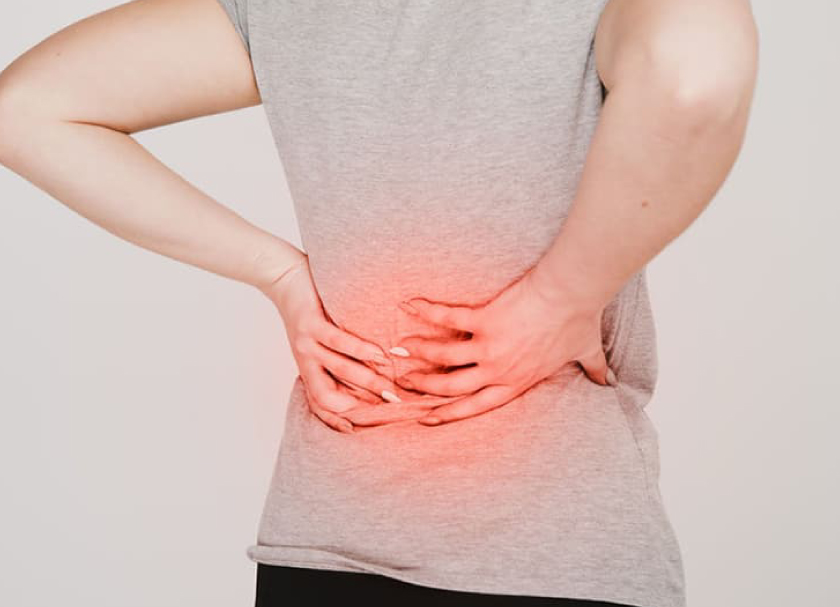
WHAT IS BACK PAIN
Back pain can have causes that aren’t due to underlying disease. Examples include overuse such as working out or lifting too much, prolonged sitting and lying down, sleeping in an uncomfortable position or wearing a poorly fitting backpack.
CATEGORIES
OF
Back pain
When you need
The short- and long-term goals of physical therapy for back pain typically include the following: Decrease painful symptoms in the lower back and/or leg. Improve low back function to tolerate daily activities as independently as possible. Increase the spine’s flexibility and improve its range of motion.
Benefits
Acupuncture, massage, biofeedback therapy, laser therapy, electrical nerve stimulation and other nonsurgical spine treatments can also make a difference for chronic back pain. Talk to your spine specialist about alternative treatments that could benefit you.
What to Expect
Your therapist will teach proper body posture techniques for sitting, standing, and lifting that reduce the likelihood of back strain or injury. You will also learn specific exercises to do at home. Regularly performing these recommended home exercises can help your back muscles strengthen more quickly.
Conditions
A common cause of back pain is an injury like a pulled muscle (strain). Sometimes, medical conditions like a slipped disc, sciatica (a trapped nerve) or ankylosing spondylitis can cause back pain. Very rarely, back pain can be a sign of a serious problem such as a broken bone, cancer or an infection.
SYMPTOMS OF
back pain
Most back pain gets better within a month of home treatment, especially for people younger than age 60. However, for many, the pain lasts several months.


Increasing pain with lifting and bending.

Worsening pain when resting, sitting, or standing.

Back pain that comes and goes.

Stiffness in the morning when awakening and lessened back pain with activity.

Pain that radiates away from the back into the buttocks, leg, or hip.
CAUSES OF BACK PAIN
Back pain can be caused by many different factors, which may all be present at the same time and interact to result in chronic low back pain. These could include mechanical or structural problems with the spine, inflammatory conditions, and other medical conditions. It is also possible that no specific cause can be identified for the start of back pain.

PROCEDURE for back pain
Nucleoplasty, also called plasma disk decompression.
This laser surgery uses radiofrequency energy to treat people with low back pain associated with a mildly herniated disk. The surgeon inserts a needle into the disk
Treatments

Pain relievers.
Nonsteroidal anti-inflammatory drugs (NSAIDs), such as ibuprofen (Advil, Motrin IB, others) or naproxen sodium (Aleve), might help. Take these medications only as directed. Overuse can cause serious side effects.
Muscle relaxants
If mild to moderate back pain doesn’t improve with pain relievers, a muscle relaxant might help. Muscle relaxants can cause dizziness and sleepiness.
Topical pain relievers
Some types of antidepressants — particularly duloxetine (Cymbalta) and tricyclic antidepressants, such as amitriptyline — have been shown to relieve chronic back pain.
Narcotics
Drugs containing opioids, such as oxycodone or hydrocodone, may be used for a short time with close medical supervision.
Anti-
depressants
These products, including creams, salves, ointments and patches, deliver pain-relieving substances through the skin.
Surgical
- Cortisone injections.
- Radiofrequency ablation.
- Implanted nerve stimulators.
- Surgery.
FAQ's
What to expect in back physical therapy?
Your therapist will teach proper body posture techniques for sitting, standing, and lifting that reduce the likelihood of back strain or injury. You will also learn specific exercises to do at home. Regularly performing these recommended home exercises can help your back muscles strengthen more quickly.
How long is physical therapy for back pain?
There is no standard length of time PT usually takes. Depending on a person’s injury or health condition, they may require sessions one or more times per week for several weeks or months in addition to an at-home exercise program.
What happens after physical therapy is done?
After you complete your therapy sessions, your physical therapist will give you additional instructions for using what you’ve learned in your regular life. This may include stretches and exercises to do every day, or rules for easing back in to regular activity.
Does physical therapy have side effects?
It is completely normal to be sore after a treatment, or even have a flare-up temporarily after. We are working on injured muscles/joints, therefore, it’s normal to experience slightly more soreness and pain after treatment, or experience more DOMs.




BOOK APPOINTMENT
You can schedule an appointment online at any time. Make your booking now for Better Health Chiropractic Clinic.